Landscape Maintenance Services: What to Expect and Why It Helps

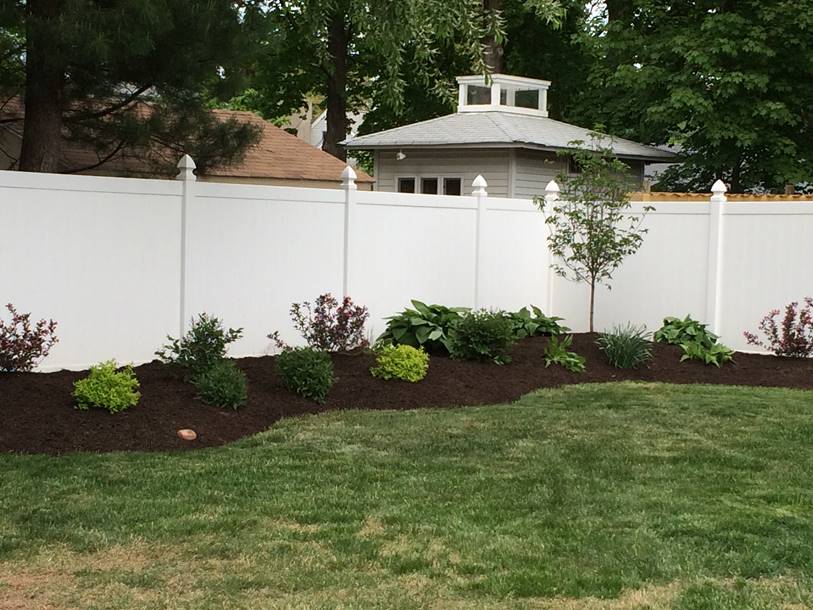

A well-kept landscape does more than make a property look attractive. It changes how a place functions, how people move through it, how safe it feels, and how much time and money it demands over the course of a year. Many property owners notice the obvious benefits first, trimmed shrubs, green lawns, clean edges, healthy planting beds. The deeper value usually becomes clear later, when regular care prevents expensive decline and the outdoor space keeps performing through changing seasons.
Landscape Maintenance is often misunderstood as basic yard work. In practice, a good maintenance program is closer to ongoing property management for living systems. Plants are not static features. Turf compacts, irrigation drifts out of calibration, mulch breaks down, weeds exploit weak spots, pests appear under the right conditions, and a single hard freeze or heat wave can undo months of growth. The point of maintenance is not simply to tidy up what is visible. It is to guide the landscape so it remains healthy, stable, and appropriate to the property.
That matters whether you own a home, manage a commercial site, oversee an HOA, or handle a multi-family community. The needs are different, but the pattern is the same. A landscape that receives steady, knowledgeable care usually costs less to correct, presents better, and lasts longer than one that is ignored and then “fixed” after problems become obvious.
What landscape maintenance actually includes
Most people think first of mowing, and mowing is certainly part of it. But any credible maintenance service should look beyond the lawn. Landscapes are made up of interdependent parts, and weakness in one area tends to spread to another. Poor drainage can ruin turf and invite fungus. Overgrown shrubs can block air circulation and increase disease pressure. Incorrect irrigation can cause both root rot and drought stress, depending on location. Maintenance is valuable because it treats the property as a whole.
A typical service package often includes routine lawn mowing, edging, trimming, blowing hard surfaces clean, pruning shrubs, seasonal weed control, mulch refreshing, fertilization, irrigation checks, and plant health monitoring. On larger properties, crews may also manage litter pickup, storm cleanup, tree base care, annual flower rotations, and periodic soil improvement. Some companies handle all of this with one crew, while others divide responsibilities among turf specialists, irrigation technicians, and horticultural teams.
The scope depends heavily on the property. A compact residential lot with a few foundation shrubs has different demands than a medical office with parking islands, pedestrian entries, retention areas, and strict appearance standards. The best providers adjust their service plan to fit the site instead of forcing every property into the same package.
The first visit tells you a lot
One of the easiest ways to judge a maintenance company is to pay attention to what happens before a contract is signed. Experienced professionals rarely give a serious proposal without walking the site carefully. They look at turf density, bare patches, weed pressure, existing pruning quality, plant variety, irrigation coverage, drainage patterns, sun exposure, and the condition of beds and trees. They also ask practical questions that reveal how the space is used.
A homeowner may care most about curb appeal and freeing up weekends. A retail center may be concerned with customer impressions, sight lines, and slip hazards from overwatering. A property manager may need predictable service schedules, simple reporting, and rapid response after storms. Good maintenance starts with understanding the purpose of the property, not just the square footage.
During that first visit, you should expect honest comments about what can be improved quickly and what may take time. For example, a lawn that has been scalped for years will not recover in two visits. Shrubs hacked into tight boxes every month may need a season or more to regain natural form. Soil that has become compacted near walkways may need aeration, topdressing, or plant replacement. Straightforward expectations are a good sign. Overpromising usually leads to disappointment.
Routine service is only the visible layer
Weekly or biweekly visits create the rhythm of Landscape Maintenance, but the visible work is just one part of the value. The larger benefit comes from consistent observation. Crews who are on-site regularly often spot issues long before owners do. A leaking irrigation head, a patch of fungus beginning near a shaded fence line, scale insects on a hedge, or tire damage on turf near an entrance can all be addressed early if someone notices them in time.
That early detection is where experienced maintenance teams earn their keep. Anyone can cut grass. Not everyone can recognize when yellowing leaves mean iron chlorosis rather than simple dryness, or when a declining shrub is reacting to root stress from https://mylesxywx560.quillnesty.com/posts/landscape-maintenance-for-sustainable-and-attractive-yards excess mulch packed against the base. Those details matter because the wrong fix wastes money and can worsen the problem.
There is also a sequencing element that less experienced companies sometimes miss. Plants respond differently depending on timing. Prune too early and tender new growth can be burned by a late frost. Fertilize too late in the season and you may encourage growth when the plant should be hardening off. Mow wet turf with dull blades and disease pressure often rises. A smart maintenance schedule follows the local climate, not a generic calendar.
Why professional maintenance saves money over time
Some owners hesitate at recurring service costs because they compare them to the price of doing nothing. That comparison rarely holds up for long. The real comparison is between planned maintenance and deferred correction.
A neglected landscape usually becomes more expensive in stages. First, appearance declines. Then health declines. After that, replacement costs arrive. Turf thins, weeds spread, shrubs outgrow their space, irrigation waste raises water bills, and eventually plants die or hardscape begins to suffer from root pressure and drainage problems. At that point the property needs renovation, not maintenance.
I have seen this cycle repeatedly on both residential and commercial sites. A property owner skips routine bed care and mulch for a year or two, assuming it is cosmetic. By the third season, weeds have seeded heavily, shallow roots are exposed in hot weather, and shrubs are stressed from inconsistent soil moisture. The eventual cleanup costs several times what the regular maintenance would have cost. Worse, the landscape still needs time to recover.
Professional maintenance also protects installed assets. Mature shrubs, specimen trees, irrigation zones, seasonal color beds, and healthy turf represent real investment. Replacing even a modest tree can cost far more than most people expect once delivery, planting, staking, and aftercare are included. Proper maintenance extends the useful life of those investments.
What to expect from a reliable maintenance schedule
The schedule should reflect the property’s actual growth rate and usage. In peak growing season, weekly service is common for many lawns and commercial grounds. In slower periods, visits may shift to biweekly or to a seasonal plan focused on cleanup, pruning, and monitoring. Frequency should make horticultural sense, not just fill a route.
For most properties, service should feel steady and predictable. Grass should not swing from overgrown to scalped. Edges should remain defined. Beds should look intentional rather than freshly rescued. Shrubs should hold shape without looking butchered. A reliable program creates continuity, and continuity is one of the clearest signs that the site is being managed rather than merely cut.
Communication is part of the schedule too. If a crew notices brown patch spreading in turf, declining annuals at the front entrance, or a controller malfunction wasting water, that information should be reported promptly. Owners should not need to discover obvious problems on their own after paying for ongoing care.
A strong provider usually documents seasonal recommendations as conditions change. In spring, that might involve mulch depth, pre-emergent timing, or storm cleanup. In summer, irrigation performance and disease monitoring become more important. In autumn, leaf removal, cutbacks, and root-focused care may take priority. In winter, structural pruning and planning often come forward. The work shifts because the landscape shifts.
The difference between maintenance and overmaintenance
One subtle issue is that more work does not always mean better work. Many landscapes are overmaintained in ways that slowly reduce their health. Shrubs sheared too often become dense on the outside and bare inside. Turf cut too short becomes more vulnerable to heat and weeds. Trees limbed up aggressively for “cleanliness” can lose natural form and stability. Flower beds replanted too frequently without soil improvement become weaker each season.
Good Landscape Maintenance includes restraint. Skilled crews know when to leave a plant alone, when to thin rather than shear, and when a “messy” stage is actually part of healthy growth. They also understand that each plant has a natural habit. Trying to force every shrub into a perfect globe and every tree into a narrow clearance line may satisfy a quick visual standard, but it often shortens plant life and creates extra work later.
This is especially important on properties where aesthetics are tightly controlled. Formal landscapes can absolutely be maintained at a high standard, but they still need horticultural judgment. Crisp appearance should not come at the expense of long-term health.
Residential properties and commercial sites need different thinking
The work may look similar from the curb, but the service logic changes by property type. A homeowner often values flexibility and detail. There may be sentimental plantings, vegetable beds, pets, children using the lawn, or a desire for a softer, more natural look. The maintenance team needs to respect those choices and understand how the family uses the space.
Commercial sites operate under different pressures. Appearance must be consistent because it reflects on the business every day. Safety issues carry more weight. Sight lines around signs and entrances matter. Irrigation overspray on walkways is not merely annoying, it can become a liability issue. Maintenance crews may need to work around customer traffic, delivery schedules, or tenant access requirements. Reporting and accountability are usually more formal as well.
HOAs and multi-family communities fall somewhere in between. They need strong visual consistency, but they also deal with resident expectations, board approvals, budget limits, and large shared spaces that age unevenly. In those environments, maintenance providers do best when they combine horticultural skill with diplomacy and planning.
What seasonal work should look like
A landscape that receives the same treatment every month of the year is usually not being managed thoughtfully. Seasonal work is where professionals show whether they understand plant cycles and local conditions.
Spring often starts with cleanup and reset. Winter debris is removed, beds are redefined, turf begins active growth, irrigation is checked, and frost damage or dieback is assessed. This is also the time when problems hidden by winter dormancy start to reveal themselves. It is common to find drainage failures, compacted areas, or shrubs that need more than cosmetic trimming.
Summer is usually the stress test. Heat, heavy rain, humidity, drought, and rapid growth all put pressure on the landscape. Mowing height matters more. Water management becomes critical. Many plant diseases show up in earnest. This is also when inexperienced crews can do damage by pruning too aggressively or servicing turf during unsuitable conditions.
Autumn is a chance to stabilize and prepare. Roots continue working even when top growth slows, which makes fall a valuable season for certain plantings, soil improvement, and structural care. Leaves need to be managed before they smother turf or clog drains. Perennials and ornamental grasses should be handled based on species and climate, not according to an all-at-once cleanup impulse.
Winter varies by region, but it should never be mistaken for dead time. This is often the best period for structural pruning on many trees and shrubs, reviewing irrigation performance, planning replacements, and correcting layout issues while the landscape is less active. Properties that use winter well are usually in better shape by late spring.
Signs your current provider is doing the bare minimum
Some maintenance contracts look fine on paper but underperform in the field. If the same issues appear week after week, beds remain weedy, pruning is crude, or the crew seems to race through the site without noticing obvious problems, you are likely paying for motion rather than management.
Here are a few warning signs worth taking seriously:
- The property looks freshly cut for a day, then sloppy again almost immediately.
- Shrubs are repeatedly sheared into unnatural shapes regardless of species.
- Irrigation leaks, brown spots, or standing water go unreported.
- Recommendations only appear after plants are already failing.
- Crew quality changes wildly from visit to visit.
One of the clearest red flags is when the service creates cleanup problems of its own. Grass clippings left in beds, bark scraped off trunks by string trimmers, mulch piled against stems, and broken irrigation heads from careless edging are all avoidable. Those are not small cosmetic flaws. They are signs of weak training and poor supervision.
What a strong maintenance partner does differently
The best companies tend to be consistent in ways that are not flashy. They show up when expected. They leave the site cleaner than they found it. They keep notes. They flag concerns before those concerns become expensive. They know the difference between a quick trim and a proper prune. Just as important, they understand the property owner’s priorities and budget.
A strong provider also talks in practical terms. Instead of vague promises to “keep everything looking great,” they explain what they will do, how often they will do it, what seasonal adjustments to expect, and what is outside the basic scope. That clarity prevents most service disputes.
When evaluating providers, pay attention to the quality of their questions. The best ones usually ask about irrigation history, drainage trouble spots, prior pest issues, the age of the landscape, the property’s busiest use periods, and which areas matter most visually. That level of inquiry suggests they are building a plan rather than selling a generic package.
It is also worth asking how they handle enhancement work. Routine Landscape Maintenance is one thing, but most properties eventually need pruning beyond touch-up level, plant replacement, bed renovation, storm response, or irrigation repairs. A provider with a clear process for these extras tends to be easier to work with over time.
How maintenance affects property value and perception
For homeowners, the return on maintenance is partly financial and partly emotional. A cared-for landscape improves curb appeal, supports resale, and makes the property more enjoyable to live in. Buyers notice neglect quickly, even if they cannot name every issue. Sparse turf, tired beds, and overgrown shrubs suggest that upkeep has been deferred elsewhere too.
For commercial owners and managers, the value is even more immediate. The landscape often creates the first physical impression before a visitor enters the building. Neat, healthy grounds signal order, safety, and attention to detail. Poorly maintained grounds suggest the opposite. That perception may not appear in a spreadsheet, but it influences tenant satisfaction, customer confidence, and overall brand presentation.
There is a practical side as well. Clean edges, visible signage, controlled growth near drives and walks, and functioning irrigation all support safer, more efficient use of the property. Maintenance is not just visual polish. It is operational support for the site itself.
Questions worth asking before you sign
A short conversation up front can prevent a year of frustration. Ask how often the property will be serviced in each season, what the crew is expected to complete on a normal visit, who monitors horticultural issues, and how recommendations will be communicated. If irrigation is part of the landscape, ask whether inspections are included or billed separately. If pruning matters to you, ask how they approach different plant types rather than accepting a generic answer.
It also helps to ask what results are realistic in the first three months. That question reveals a lot. Experienced contractors know which improvements happen quickly and which require patience. They should also be able to point out existing conditions that maintenance alone will not solve, such as grading problems, exhausted soil, poor plant selection, or severe compaction.
One more question matters more than most people realize: who is responsible for quality control? A company may have a polished proposal and a competitive price, but if no one is checking the work, standards tend to slip. Landscapes respond to attention. So do crews.
Why regular care helps more than occasional big cleanups
There is a temptation to let the property slide and then order a major cleanup when things look rough. That approach can make sense in rare cases, especially after a move, a vacant period, or storm damage. As an ongoing strategy, it usually costs more and delivers worse results.
Plants do better with steady, moderate intervention than with periods of neglect followed by heavy correction. Turf prefers consistent mowing and sensible feeding. Shrubs respond better to timely pruning than drastic cutbacks. Weeds are easier and cheaper to control when they are young. Irrigation issues are far less damaging when they are caught in the first week instead of the third month.
Big cleanups also tend to be visually harsh. Properties can look scalped, thinned out, or abruptly stripped because the backlog of growth forces aggressive work. Regular maintenance avoids that cycle. It preserves the design intent and keeps the landscape closer to its best condition most of the time.
The real advantage of Landscape Maintenance is not perfection. Outdoor spaces are living environments, and they will never be frozen at a showroom standard every day of the year. The advantage is stability. A maintained landscape absorbs stress better, recovers faster, looks better more consistently, and demands fewer expensive corrections. For most properties, that is the difference that matters.
Majestic Mowing & Landscaping LLC
Phone number: +19733975532
FAQ About Landscape Maintenance
What is landscape maintenance?
Landscape maintenance is the ongoing care, cleaning, and upkeep of outdoor green spaces to keep them healthy, safe, and attractive.
Is $100 an hour too much for landscape work?
An hourly rate of $100 is not too much for specialized or professional landscape work, though it sits at the higher end of the standard pricing spectrum.
How much do landscapers charge for maintenance?
For professional landscaping maintenance, homeowners typically pay $100 to $410 per month for recurring services, or an hourly labor rate of $50 to $100 per hour per crew member.